One of our longest-running traditions at Mito is the Hackathon. The idea was cooked up by a mad scientist of ours in 2012 after taking part in one. We’ve haven't been the same since then.
Balázs Dobó
Brands & VisibilityCX & LoyaltyEngineering & Tech
What is a Mito Hackathon about?
24 hours of challenge, pain, glory, exhaustion, mission, survival, hopelessness, joy, synergies, moonshots – it really depends on whom you ask.
But our official version is: work in teams and deliver a complete product in 24 hours.
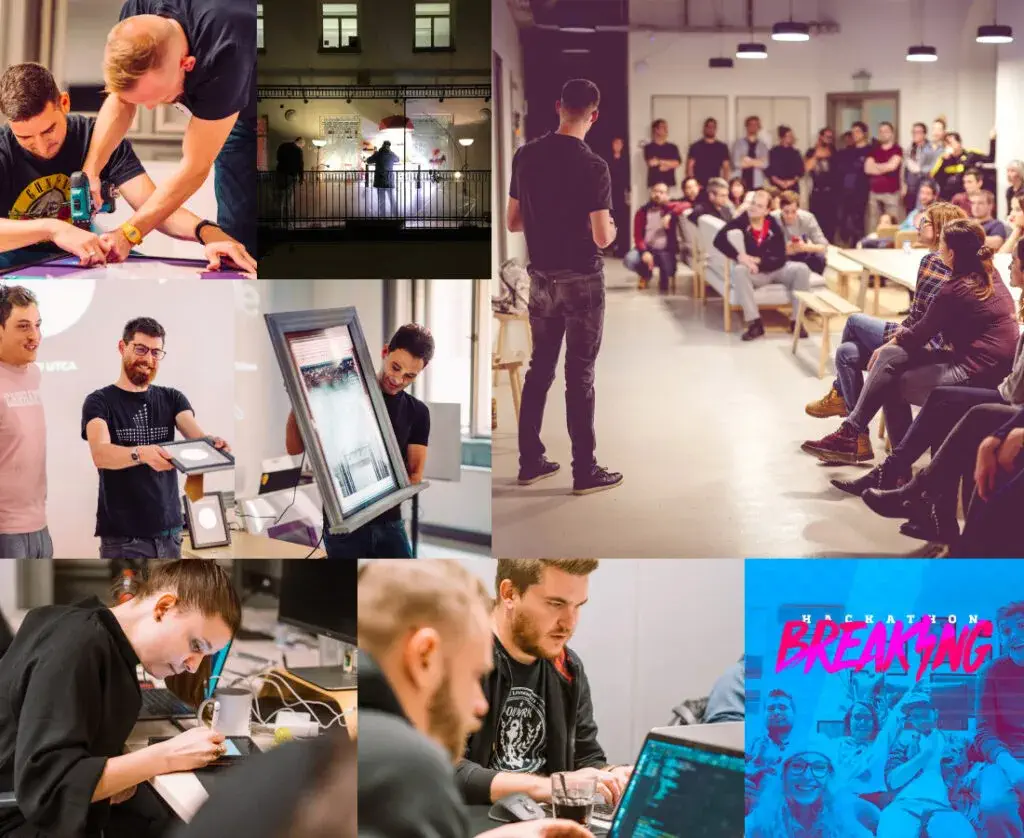
(Both contenders and audience after 24 hours, watching the demo presentations)
How does it work?
A Hackathon always has a scope and a purpose which varies from year to year. In our case, it has previously revolved around efficiency, fun, games, smart hardware, charity, anything you can put in a physical frame, and once it was even love, that is all around. With the brief always slightly shifting every year, different competencies and roles have an advantage or rather a significant increase in demand. But that never changes:
We enter in teams (typically of 5 people) of mixed competencies and collaborate
Of course, we also aim for the top three spots as this is a competition after all, but of the friendly kind
We have a jury that differs each year and it can feature external guests as well
The location is always our office but with different seating
Snacks, energy drinks, and junk food to keep everyone going for a day
No limitations whatsoever as to who can join or what can be created
Demo presentations right after the 24 hours are up
One extra vacation day for anyone who competes and of course prizes for the first three
And what does all this look like? Well something like this:
Never stop creating
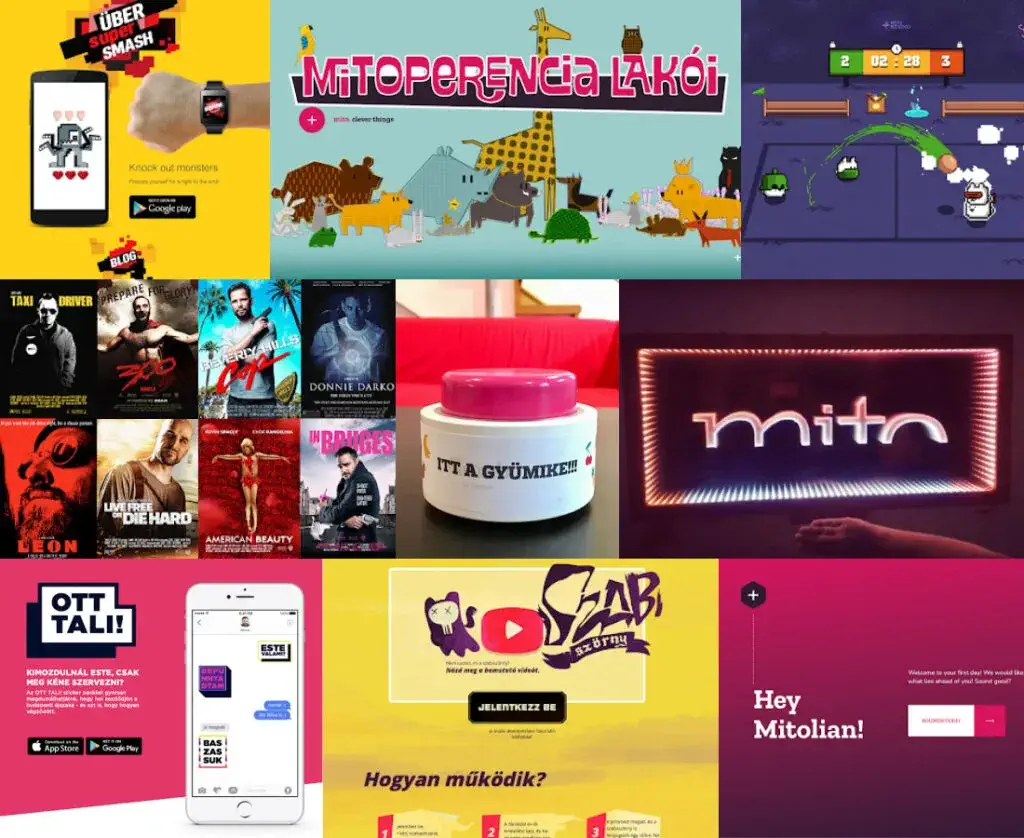
Of course, these various briefs and topics have spawned many-many clever, silly, outrageous, brave, and really inspiring solutions.
Just to name a few:
Our own time management software that we use to this day
A calendar of movie poster spoofs featuring Mitolians
Our very own children’s book with fairy tale versions of our own stories
A smartwatch-based game that lets you smash zombies
OTT TALI – A party sticker pack that even got featured on national TV
An onboarding software we currently give to our newcomers
An infinite mirror which is, well, infinite
A sonified ambient real-time telepresence portal (?) – a cute little interactive blob that helps connect people far apart
An app monitoring the occupancy of toilets
The Vacation Monster (Szabiszörny) which is hungry for vacation data, and tracks our holidays even today
Handmade Mito sleeves for laptops with its own webshop
A huge button for our office managers to alarm everyone when the fresh fruit has arrived
Countless games ranging from RPGs to zengames and multiplayer sports tournaments
Our very own digital history book and an online museum
An interactive travel guide app
A digital window for our windowless meeting room
And a Kohlrabi featured on imgur which we don’t want to talk about
So really a lot of stuff.
And it’s not just the volume but also the diversity: from software development through digital art to using fabrics we had it all. We even have a handful of platforms and applications that help run Mito which was created during Hackathons.
And hopefully, we will keep on creating lots of useful, sometimes weird but definitely exciting stuff.
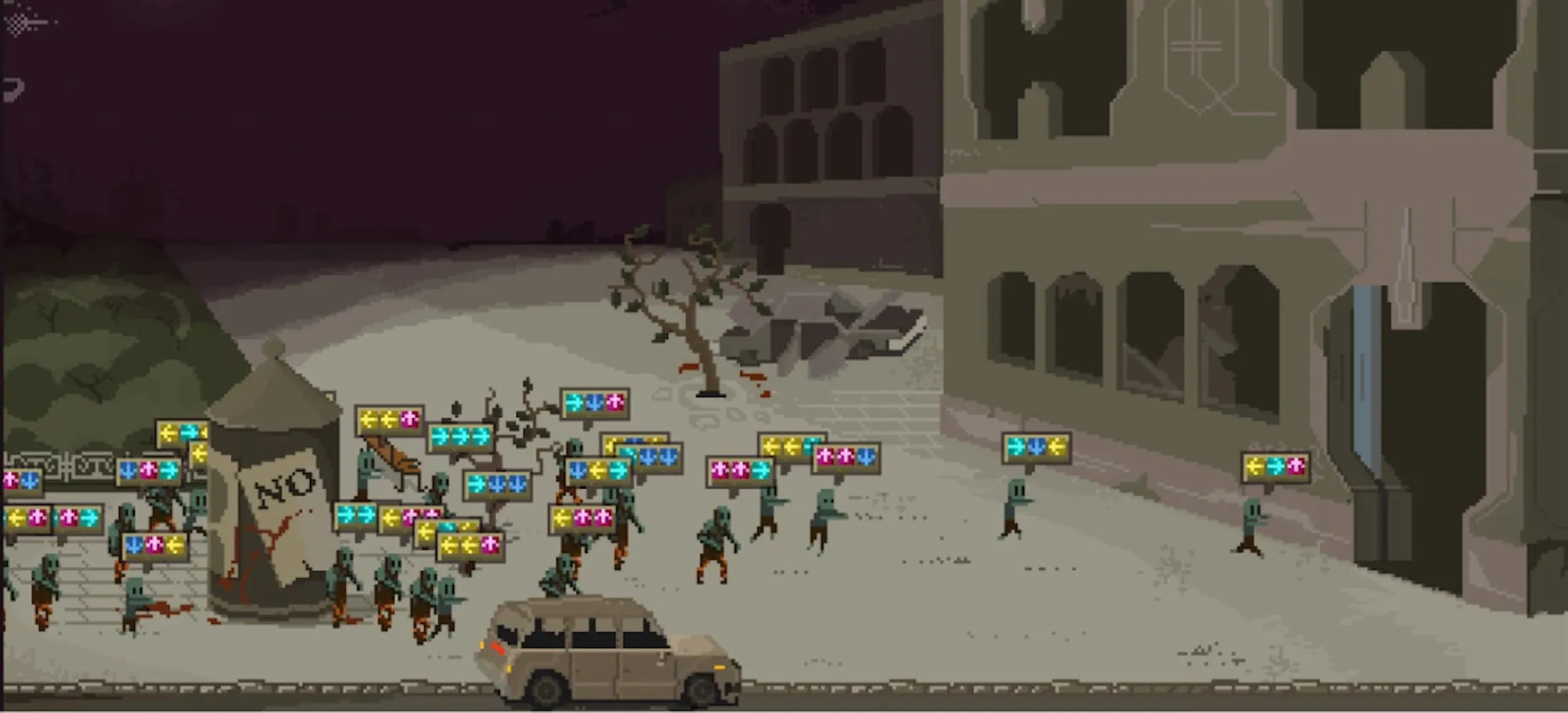
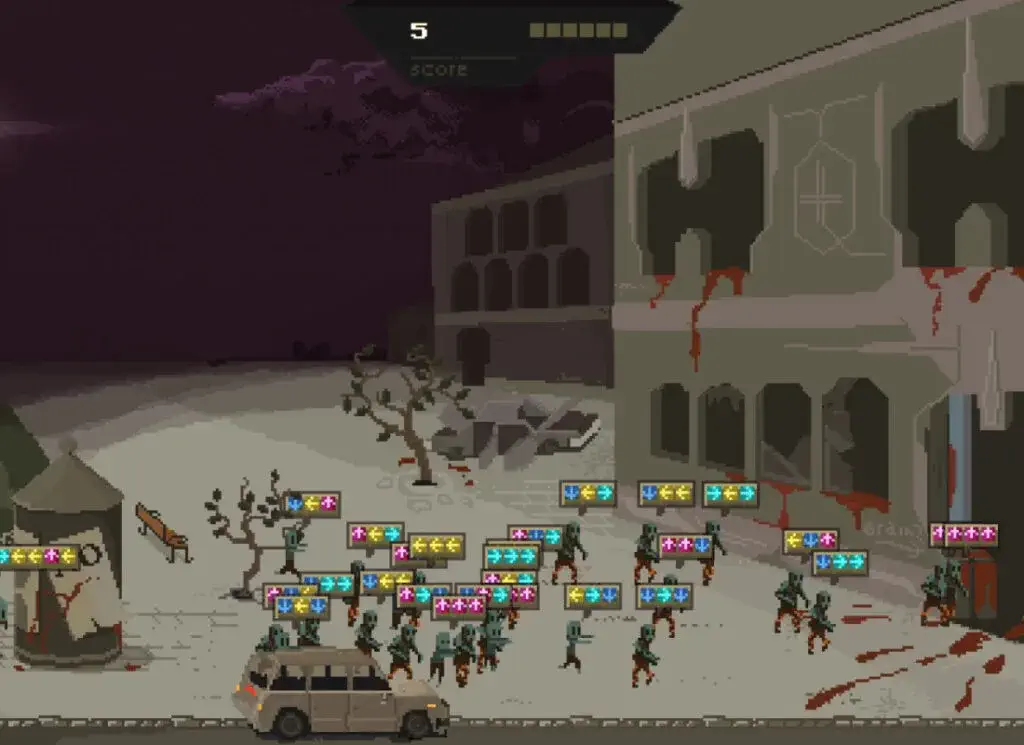
One of the most eloquent examples of these is the game called No Hope for Us. It’s a co-op survival multiplayer game that was created for a Mito Hackathon back in 2013. After its success in the competition it was bumped for release and you can still play it to this day.
And the kicker to this story is that we got an e-mail some 7 years later from Alisandra in the US:
“As an Agile Coach with a background in education, I find that people generally learn Agile concepts most quickly by being able to practice and play in a low-stakes environment. There are tons of Agile games that allow folks to do this in person, but in this COVID pandemic, I’ve noticed a distinct shortcoming of games that can be facilitated remotely. That said, I stopped looking for specifically Agile games, and began looking for games that fit particular criteria, namely:
Can my remote team join it as a closed version of the game
Does the game enable a sense of ‘sprints’ with pauses between sprints so the team can regroup
Offers adequate accessibility, has simple controls
I normally use this game after I’ve run the team a deck I have on what it means to be a self-organizing team, what the roles in scrum are, and what the importance of running retrospectives is. I first frame the hackathon that created this game in Agile terms: self-organization, working MVP, proactive communication, and a growth mindset when troubleshooting problems…the rest is pretty self-explanatory. :)”
So that’s how we involuntarily helped coach…with zombies. And it all started out with a day filled with boxes of pizza, infinite amounts of energy drinks, and a couple of toys we tinkered around with.
The Mito Hackathon celebrates its 10th anniversary in 2022 and we can’t wait to find out what clever and silly things it will bring to life.